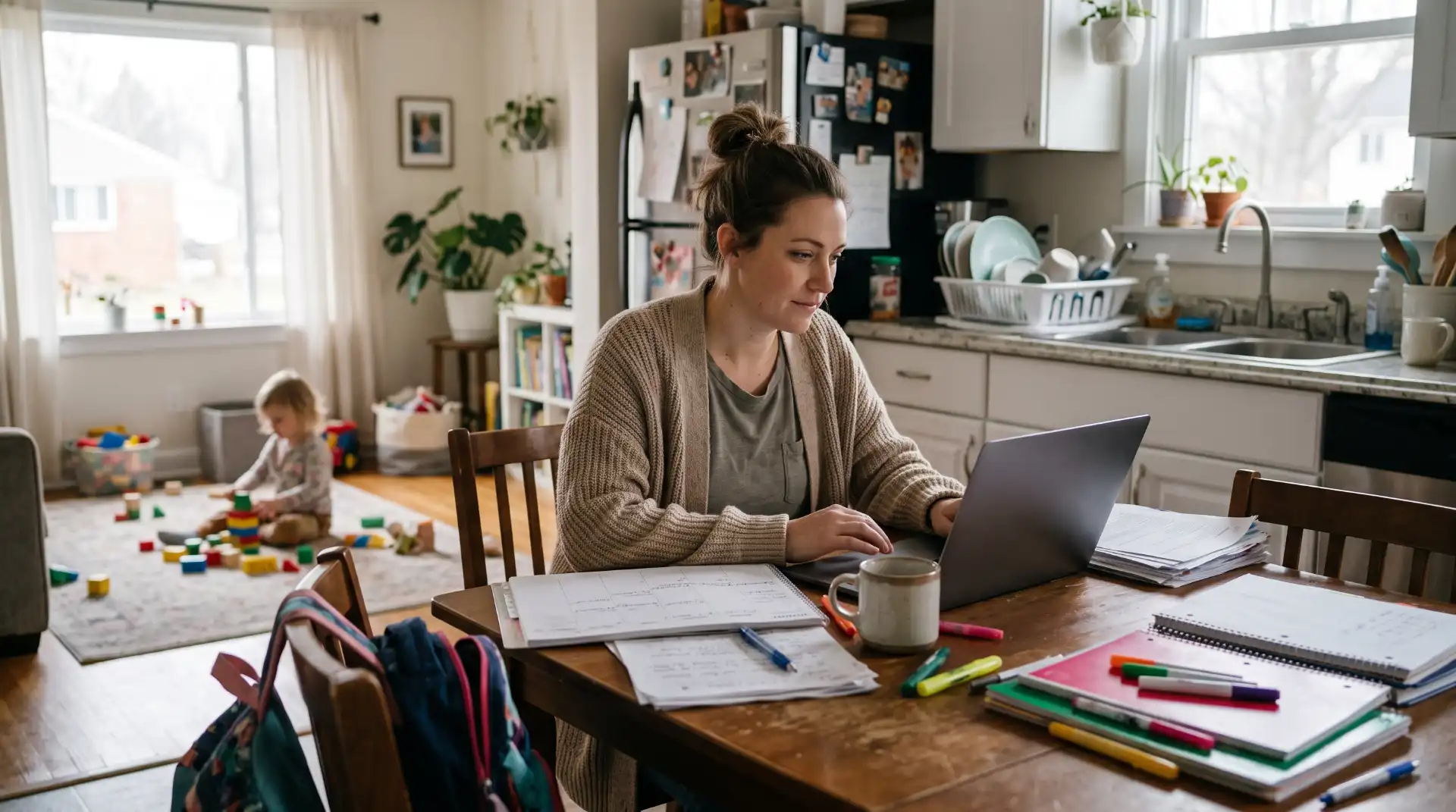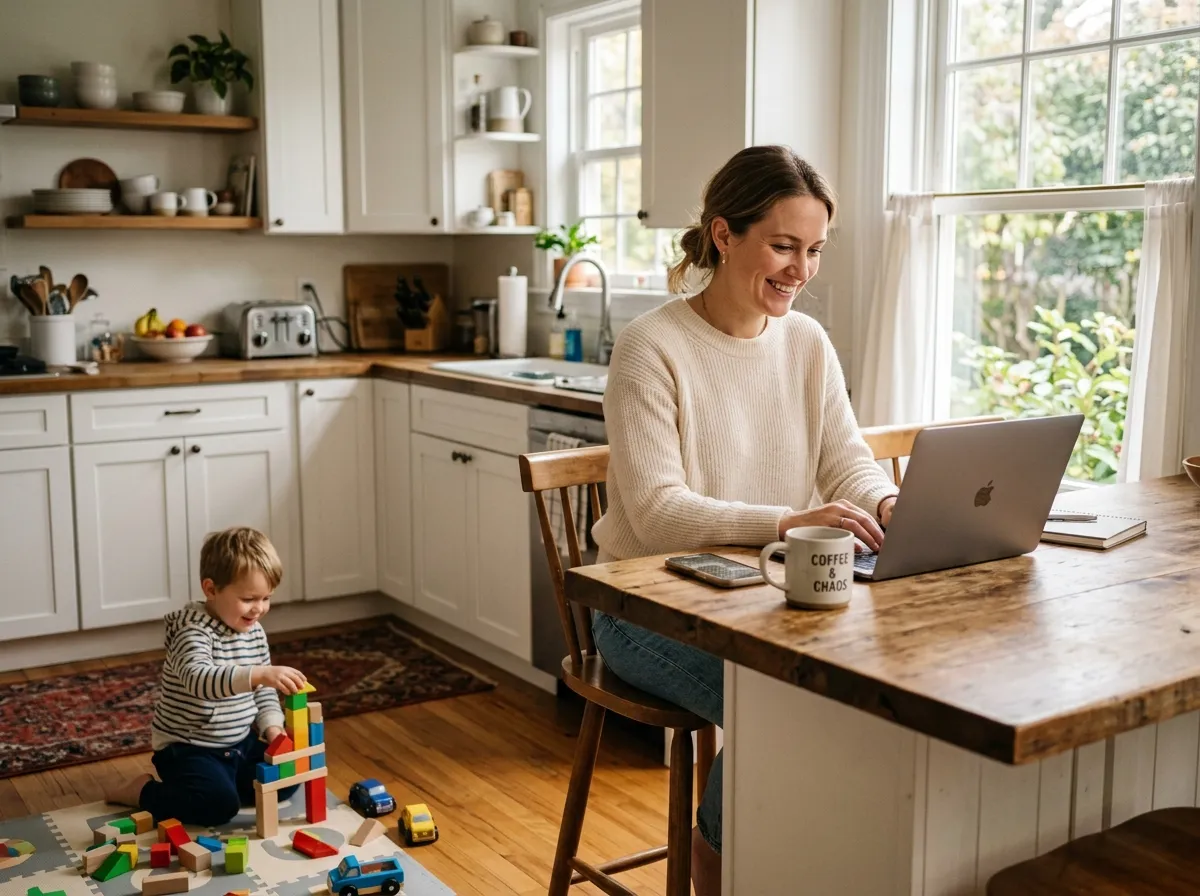

Parenting styles have changed dramatically over the past decade. Many parents today are looking for a healthier balance between discipline, emotional support, and independence. One approach that is gaining attention among modern families is hybrid parenting.
Hybrid parenting combines elements from several parenting philosophies rather than strictly following a single method. Instead of choosing between strict discipline or completely gentle parenting, parents take a flexible approach that supports their child’s emotional development while still maintaining healthy boundaries.
This parenting style is becoming especially popular among busy families who want a practical approach that adapts to real life. It focuses on connection, communication, and structure while recognizing that every child and family situation is different.
What Is Hybrid Parenting?
 Hybrid parenting is a flexible parenting approach that blends techniques from different parenting styles. Parents combine the best elements of authoritative parenting, gentle parenting, and traditional discipline to create a balanced environment.
Instead of following a rigid rulebook, hybrid parenting allows moms and dads to adjust their responses based on their child’s age, personality, and the situation.
For example, a parent might show empathy when a child is upset but still enforce consistent rules around behavior. This combination of emotional understanding and clear expectations helps children feel supported while also learning responsibility.
Experts from the Harvard Center on the Developing Child emphasize that children thrive when they have both strong emotional connections and predictable structure. Hybrid parenting naturally supports both of these needs.
Why Hybrid Parenting Is Growing in Popularity
Many modern parents feel that traditional parenting models no longer reflect the realities of family life today. Work schedules, technology, and evolving views about mental health have all influenced how families raise children.
Hybrid parenting has grown popular because it recognizes that parenting should evolve as children grow.
Parents Want More Flexibility
No two children are exactly the same. Hybrid parenting allows parents to adjust their approach instead of applying the same rules to every situation.
Emotional Intelligence Matters
Modern parenting focuses heavily on emotional development. Teaching children how to manage emotions, communicate feelings, and build empathy is now considered an important life skill.
Parents Are Avoiding Burnout
Strict parenting expectations can create stress for both children and parents. A balanced approach helps families reduce conflict and create a calmer home environment.
If parenting stress is something you’re currently experiencing, you might also find helpful advice in our guide on Modern Parenting Burnout Is Real: 5 Ways Moms Can Recharge.
Key Principles of Hybrid Parenting
 Although hybrid parenting is flexible, several core principles guide this parenting style.
Strong Parent-Child Connection
Children thrive when they feel safe and emotionally supported. Hybrid parenting encourages regular conversations, active listening, and positive attention.
Clear and Consistent Boundaries
While empathy is important, children still need structure. Consistent rules teach responsibility and help kids understand expectations.
Respect for Individual Personality
Hybrid parenting recognizes that each child learns and grows differently. Some children respond well to discussion while others may need more guidance.
Focus on Teaching Instead of Punishing
Rather than focusing only on punishment, hybrid parenting focuses on teaching better behavior. Mistakes become learning opportunities.
The American Psychological Association notes that parenting styles that combine warmth with structure are strongly linked to positive child development.
How to Practice Hybrid Parenting at Home
Adopting a hybrid parenting style does not require a complete overhaul of your current parenting habits. Small changes in communication and discipline strategies can make a big difference.
Explain Rules Instead of Simply Enforcing Them
Children are more likely to follow rules when they understand the reason behind them. Taking a few moments to explain expectations helps kids learn decision-making skills.
Encourage Open Communication
Allow children to talk about their feelings and frustrations. This builds trust and helps parents better understand their child’s perspective.
Create Predictable Routines
Daily routines give children a sense of security. Simple habits such as consistent bedtime routines or family dinners can improve behavior and reduce stress.
Adjust Your Approach as Children Grow
The way you parent a toddler will naturally differ from how you parent a teenager. Hybrid parenting allows you to evolve your strategies as children mature.
If you’re navigating early motherhood, our article on How to Stay Sane During the First Year of Motherhood offers helpful strategies for building healthy routines.
Benefits of Hybrid Parenting for Families
 Families who adopt a hybrid parenting approach often report several positive outcomes.
Children Develop Confidence
Kids raised in supportive environments are more likely to express themselves and make independent decisions.
Improved Emotional Skills
By discussing feelings and problem solving together, children learn emotional regulation and empathy.
Stronger Family Relationships
Balanced communication strengthens the connection between parents and children.
Reduced Parenting Stress
Parents feel less pressure to follow rigid parenting rules and can adapt to their family’s needs.
Finding Your Own Parenting Balance
There is no universal parenting style that works perfectly for every family. Hybrid parenting encourages parents to trust their instincts while learning from proven parenting strategies.
The goal is not perfection. Instead, it is about creating a loving environment where children feel supported, understood, and guided toward becoming responsible adults.
As parenting continues to evolve, approaches like hybrid parenting remind us that balance, empathy, and flexibility can help families thrive in today’s fast-changing world.